Spider mites on plants: how to spot them and what to do
Spider mites are tiny pests, smaller than a pinhead, that suck sap from the undersides of leaves and leave fine pale speckling and thin webbing. They thrive in warm, dry indoor air and spread easily between plants, so move an affected plant away from the others and rinse its leaves every few days for a few weeks.
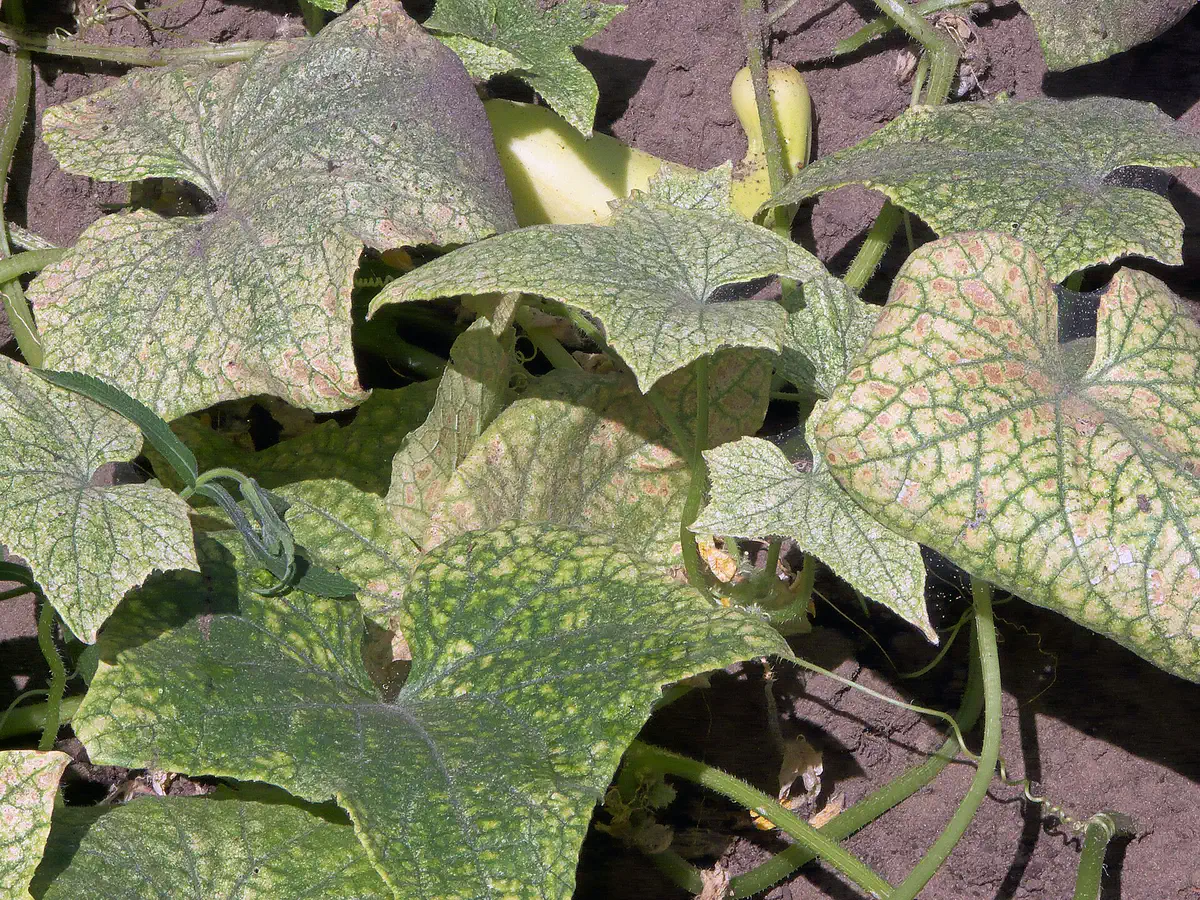
What does it look like?
- Fine pale speckling on the upper side of leaves.
- Very fine webbing between leaves and stems.
- Tiny moving dots on the underside of leaves, easiest to see on white paper when you tap a leaf over it.
- Leaves that look dusty, dull or bronzed.
Why does it happen?
- Dry, warm indoor air, especially in winter with the heating on.
- A new plant brought home with mites already on it.
- Plants under stress from too little water.
What can you do about it?
- Move the plant away from your other plants.
- Rinse the leaves, especially the undersides, with a strong shower of lukewarm water, and wipe them with a damp cloth.
- Remove badly affected leaves and put them in a sealed bag in the bin.
- Repeat rinsing every few days for a few weeks, since eggs hatch after the adults are gone.
- If mites keep coming back, an insecticidal soap or horticultural oil can help: follow the product label, check it is approved for home use where you live, wear gloves, and keep children and pets away until it is dry.
When you photograph a plant with this problem, Leafsight gives an assessment that names the likely problem, how serious it looks and how sure it is. Your first assessment that finds a problem includes care steps like these; with Pro or a one-time unlock, every one does.
When should you look closer?
- Webbing covering whole stems, or many plants affected.
- You are not sure they are mites: a close photo of the leaf underside helps.
Questions
How do I know if my plant has spider mites?
Look for fine pale speckling on the upper side of leaves, very fine webbing between leaves and stems, and leaves that look dull or dusty. To check for spider mites, hold a sheet of white paper under a leaf and tap it: the mites show up as tiny moving dots. A magnifying glass or a close phone photo of the underside of a leaf also helps.
Can spider mites spread to other plants?
Yes. Spider mites crawl between leaves that touch and can be carried on hands, tools and clothes, so they often move from one houseplant to its neighbours. Move an affected plant away from the others, check the undersides of leaves on nearby plants, and keep new plants apart for a few weeks before placing them with the rest of your collection.
Does rinsing get rid of spider mites?
Rinsing is the first step against spider mites and often cuts their numbers a lot. Shower the leaves, especially the undersides, with lukewarm water and wipe them with a damp cloth. Repeat every few days for a few weeks, because eggs hatch after the adults are washed off. If mites keep coming back, an insecticidal soap or horticultural oil used at the label rate is the next step.
Why do spider mites keep coming back?
Spider mites usually return because eggs survived the first clean, because the air stays warm and dry, or because a nearby plant still carries them. Keep rinsing the affected plant every few days for several weeks, check neighbouring plants, and move plants away from radiators and heating vents. Plants short of water are more prone to spider mites, so keep watering even.
When should I throw out a plant with spider mites?
When webbing covers whole stems and most leaves are speckled or dry after several weeks of rinsing, a small or easily replaced plant is often not worth saving, and keeping it puts your other plants at risk. Put it in a sealed bag before you carry it out. Otherwise keep rinsing every few days, since eggs keep hatching for a few weeks.
Not sure? Check with a photo
Leafsight looks at a photo of the leaf, asks a few questions about light, watering and drainage, and gives an assessment of the likely problem with care steps. A photo assessment can be wrong: for a hands-on look, ask a local garden centre or plant clinic.
Related problems
- Mealybugs: white fluffy spots on plants and what to do
- Brown leaf tips and edges: why they happen and what to change
- Powdery mildew: white powder on leaves and what to do
- Broad mites on peppers: curled new leaves and bronzed fruit
Sources
Updated 2026-11-04. All plant problems.
Also in: Español · Deutsch · Français · Português (Brasil) · 简体中文 · 日本語 · 한국어